Quick Snapshot
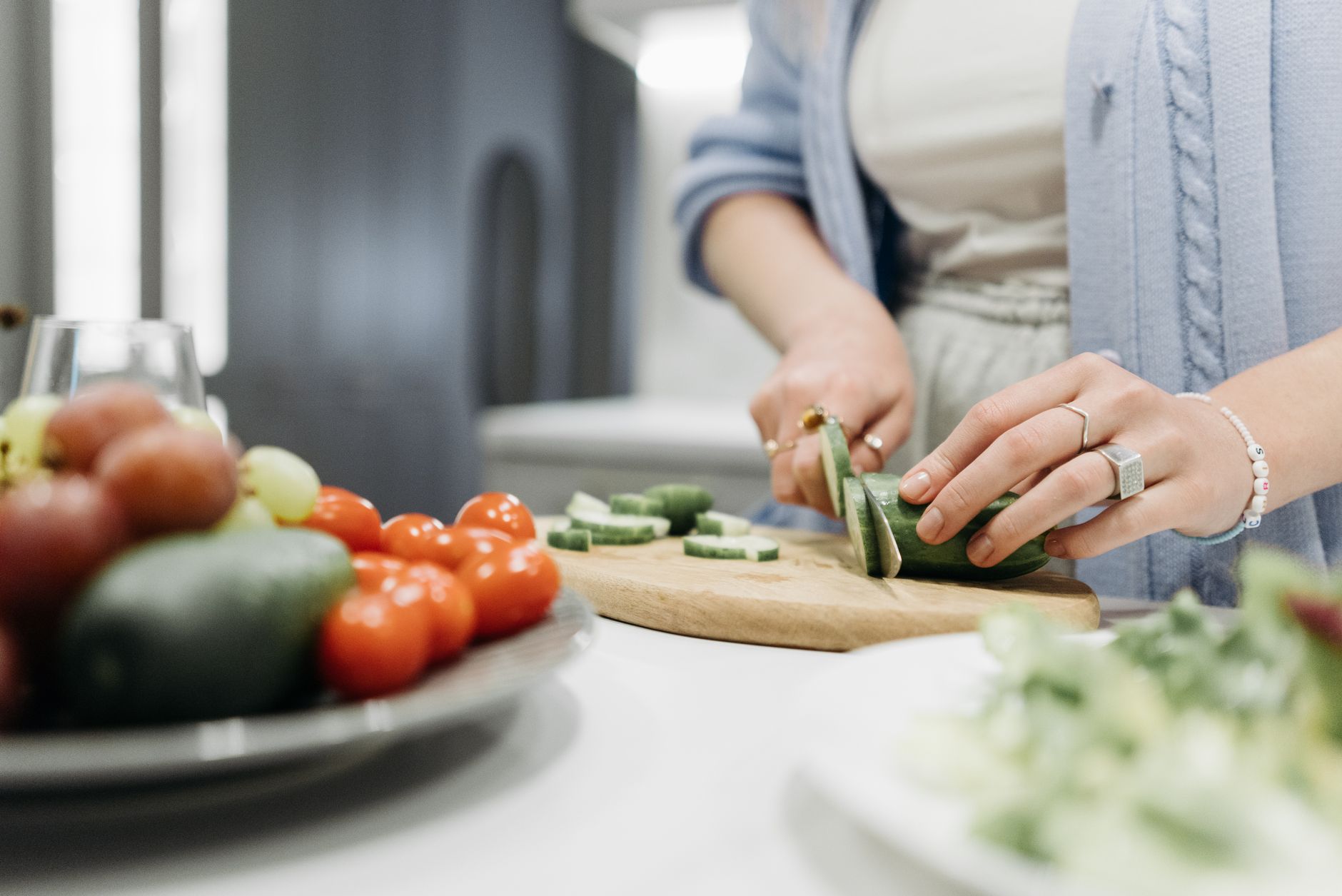
Upgrading your diet doesn't require restrictive rules or hours in the kitchen. Major health institutions agree that sustainable nutrition boils down to simple, repeatable strategies: filling half your plate with colorful produce, choosing lean or plant-based proteins, swapping sugary drinks for water, and using practical kitchen shortcuts like frozen vegetables and sheet-pan meals.
However, health guidance isn't entirely uniform. Leading organizations like the CDC, Harvard T.H. Chan School of Public Health, and the Mayo Clinic differ on specific details—such as whether potatoes count as vegetables, how much dairy you actually need, and whether to focus on cutting total fat or selecting healthy fat types.
---
Expert Advice
1. Build a Balanced "Healthy Plate"
Across major public health institutions, the plate model serves as the standard visual for meal planning:
- 50% Fruits and Vegetables: Aim for a vibrant variety of non-starchy produce.
- 25% Whole Grains: Opt for brown rice, quinoa, barley, or whole-wheat pasta over refined grains.
- 25% High-Quality Protein: Prioritize fish, poultry, beans, lentils, nuts, and eggs while minimizing processed meats like bacon and cold cuts.
2. Hydrate Wisely
Replacing soda, sweetened teas, and fruit juices with water, unsweetened tea, or black coffee is one of the most effective daily upgrades you can make to reduce hidden added sugars.
3. Leverage Timesaving Kitchen Hacks
According to the Mayo Clinic, eating healthy should not be overly time-consuming. Keep low-sodium canned or frozen fruits and vegetables on hand—they offer equal nutritional value to fresh produce. Simplify cooking with single-sheet-pan meals or one-pot recipes to minimize prep and cleanup time.
---
Watch-outs
While institutional guidance aligns on core plant-forward principles, subtle disagreements exist between public health resources:
- The Dairy Debate: The CDC and USDA encourage 2–3 daily servings of low-fat or fat-free dairy. In contrast, Harvard’s Healthy Eating Plate explicitly recommends limiting milk and dairy to 1–2 servings per day, pointing to water as the essential primary beverage.
- The Potato Controversy: Standard CDC and USDA guidelines list white potatoes within the vegetable food group. Harvard explicitly excludes potatoes and French fries from counting as vegetables on its plate visual due to their high glycemic index and rapid impact on blood sugar.
- Fat Quality vs. Fat Quantity: Traditional government guidelines historically emphasize lower total fat intake via low-fat dairy and lean cuts. Harvard shifts the focus entirely to fat type, actively encouraging plant-based oils (like extra virgin olive oil) while warning against trans fats regardless of total calorie counts.
---
Recommendation Scores
| Nutrition Strategy | Practical Impact | Ease of Adoption | Consensus Level | Overall Score |
|---|---|---|---|---|
| Balanced Plate Method | High | High | High | 9.5/10 |
| Swapping Sugary Drinks for Water | High | Medium | High | 9.0/10 |
| Utilizing Frozen & Canned Produce | Medium | High | High | 9.0/10 |
| Choosing Plant Oils over Fat Free Foods | High | Medium | Moderate | 8.5/10 |
| Treating Potatoes as Starches, Not Veggies | Medium | Medium | Moderate | 8.0/10 |
---
Editorial Take
As a senior nutritionist, I advise clients to focus on actionable, high-impact habits rather than getting bogged down in minor policy debates.
Here is my professional synthesis for your week ahead: 1. Treat potatoes like grains: Harvard is right regarding glycemic load—treat white potatoes as your meal's starchy carbohydrate section rather than your non-starchy vegetable allocation. 2. Prioritize fat quality over fat elimination: Don't fear healthy fats. Extra virgin olive oil, nuts, seeds, and avocados increase satiety and enhance the absorption of fat-soluble vitamins found in your vegetables. 3. Keep shortcuts non-negotiable: Convenience drives consistency. Stocking up on frozen berries and pre-chopped frozen vegetables is one of the single best ways to ensure you meet daily plant targets without food waste.
This article is based on publicly available sources and search data, and has been synthesized and edited by AI.