Quick Snapshot
Improving your daily diet doesn't require an extreme overhaul. Leading public health and clinical institutions—including the Harvard T.H. Chan School of Public Health, the U.S. Department of Agriculture (USDA), and the Mayo Clinic—agree on several foundational principles for long-term health:
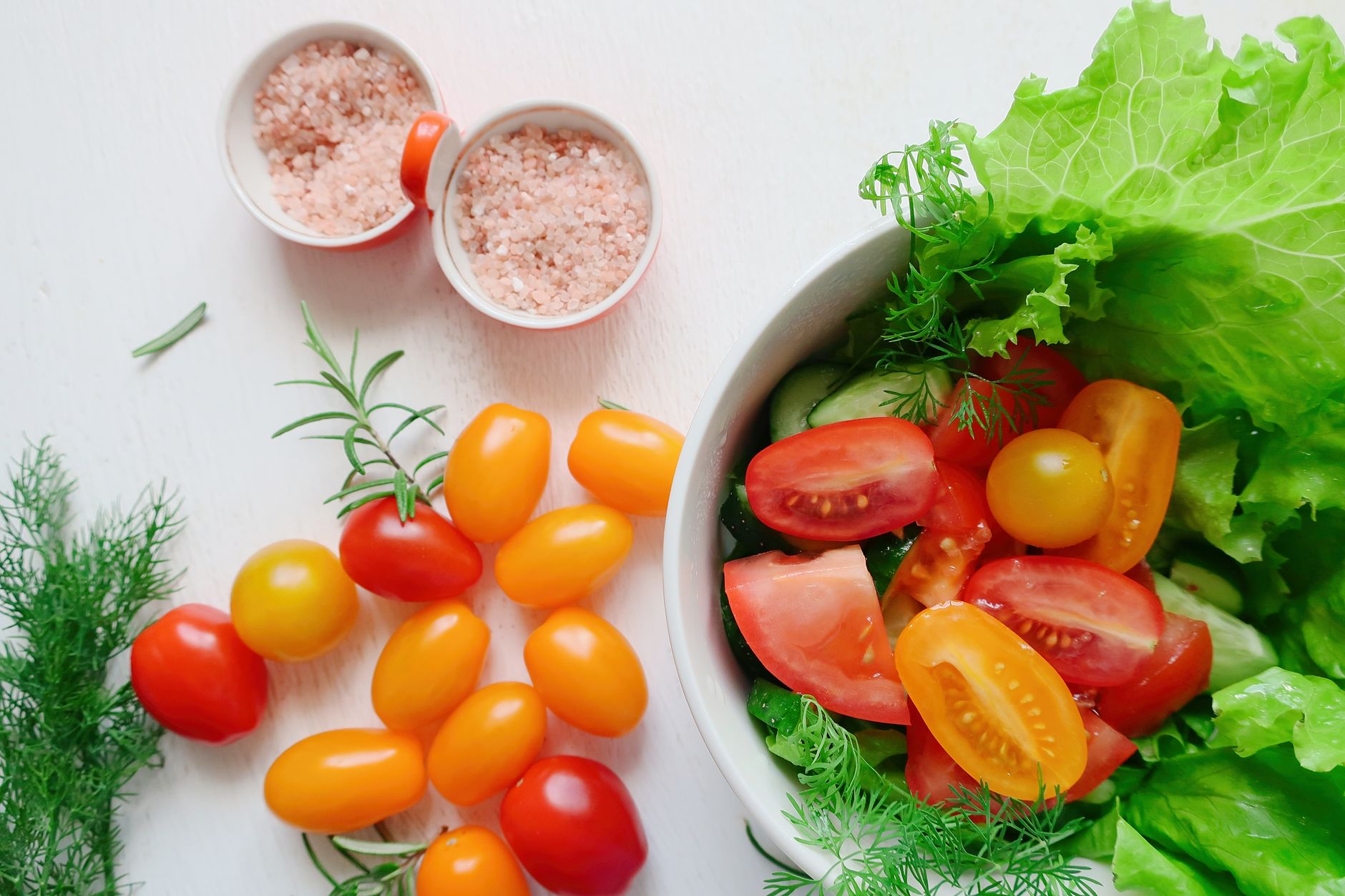
- Fill half your plate with produce: Focus on vegetables and fruits to boost fiber, vitamins, and satiety.
- Choose intact whole grains: Replace refined carbs (white bread, white rice) with brown rice, quinoa, or oats.
- Diversify your protein: Incorporate plant-based proteins like legumes, seeds, and nuts alongside lean meats or fish.
- Reduce added sugar and sodium: Swap sugar-sweetened beverages for water or unsweetened tea, and limit heavy sodium in packaged meals.
While guidelines generally align on quality, key differences exist regarding dairy, healthy fats, and how starchy vegetables are classified.
Expert Advice
A comparison of recommendations from top health organizations reveals both common ground and nuanced approaches to daily eating:
1. The Half-Plate Rule & Vegetables
- Consensus: All three institutions recommend filling half your meal plate with fruits and vegetables.
- Nuances: The USDA MyPlate includes starchy vegetables like corn, peas, and potatoes in the general vegetable group. The Mayo Clinic emphasizes accessibility, encouraging fresh, frozen, or low-sodium canned produce. In contrast, the Harvard Healthy Eating Plate explicitly excludes potatoes and french fries from its vegetable count due to their high glycemic index and impact on blood sugar.
2. Dairy & Hydration
- USDA MyPlate: Positioned as a core food group, recommending 2–3 daily servings of low-fat or fat-free dairy or fortified soy alternatives.
- Harvard Healthy Eating Plate: Treats dairy as non-essential, recommending limiting intake to 1–2 servings per day. Harvard prioritizes water, unsweetened tea, or coffee as primary beverages.
- Mayo Clinic: Recommends low-fat dairy options as part of a balanced pattern without mandating dairy at every meal.
3. Fats and Oils
- Harvard: Explicitly features healthy plant oils (e.g., extra virgin olive oil, canola oil) on its main plate visual, encouraging readers to actively replace butter and trans fats.
- USDA: Keeps oils separate from the primary plate icon, focusing on dietary limits that keep saturated fat below 10% of total daily calories.
- Mayo Clinic: Focuses on practical kitchen use, recommending healthy fats for roasting vegetables and dressing salads.
4. Red Meat vs. Plant Proteins
- Harvard: Strongly advises limiting red meat and avoiding processed meats (like bacon and cold cuts) altogether due to chronic disease risks.
- USDA: Groups red meat, poultry, seafood, eggs, and plant proteins together under a broad "Protein" category.
- Mayo Clinic: Suggests actionable dietary transitions, such as adopting "Meatless Mondays" or selecting lean cuts to manage saturated fat intake sustainably.
Watch-outs
- Beware of "Ultra-Processed" Labels: Food products labeled as "low-fat" or "gluten-free" can still contain high amounts of added sugars and sodium.
- Starchy Carb Confusion: French fries and hash browns do not offer the same blood sugar stability or nutrient density as leafy greens or non-starchy vegetables.
- Over-reliance on Dairy for Calcium: While dairy is a traditional source of calcium, non-dairy alternatives (fortified plant milks, leafy greens, tofu) are viable options if you choose to limit dairy intake.
- Avoid Rigid Elimination Diets: Extreme restrictions often lead to nutritional deficits and lower long-term adherence. Gradual, habit-based changes are consistently more effective.
Recommendation Scores
| Dietary Strategy | Science Consensus | Practical Ease | Overall Score |
|---|---|---|---|
| Half-Plate Produce Rule | Very High | High | 9.5/10 |
| Swapping Refined Grains for Whole Grains | High | High | 9.0/10 |
| Replacing Sugary Drinks with Water | Very High | Medium | 9.2/10 |
| Batch Cooking & Meal Prep | High | Medium | 8.8/10 |
| Limiting Processed Meats | High | Medium | 8.5/10 |
Editorial Take
From a clinical standpoint, the debate between dietary guidelines often comes down to target audience and practical compliance. The USDA MyPlate serves as a broad federal baseline aimed at preventing general deficiencies. Harvard's Healthy Eating Plate offers a more stringent, prevention-focused framework optimized for metabolic health and chronic disease prevention by strictly vetting quality over broad food groups.
Meanwhile, the Mayo Clinic bridges theory and reality through practical kitchen behaviors like batch cooking, using frozen produce, and setting realistic weekly habits.
My recommendation: Use Harvard's quality standard as your ideal nutritional template—prioritizing plant oils, non-starchy produce, and whole grains—while adopting Mayo's flexible meal-prep strategies to make healthy eating workable for your weekly schedule.
This article is based on publicly available sources and search data, and has been synthesized and edited by AI.