Quick Snapshot
Improving your daily eating habits doesn't require a complete lifestyle overhaul. By comparing recommendations from leading public health institutions—the Harvard T.H. Chan School of Public Health, Mayo Clinic, and the CDC—we find a strong core consensus: fill half your plate with produce, choose whole grains and lean proteins, cut down on added sugars, and cook with healthy fats. However, subtle differences exist regarding dairy limits, potato classifications, and how to handle comfort foods.
Expert Advice
To make healthy eating manageable this week, combine the core strengths of each major health institution:
1. Adopt the Plate Balance Formula (Universal Consensus)
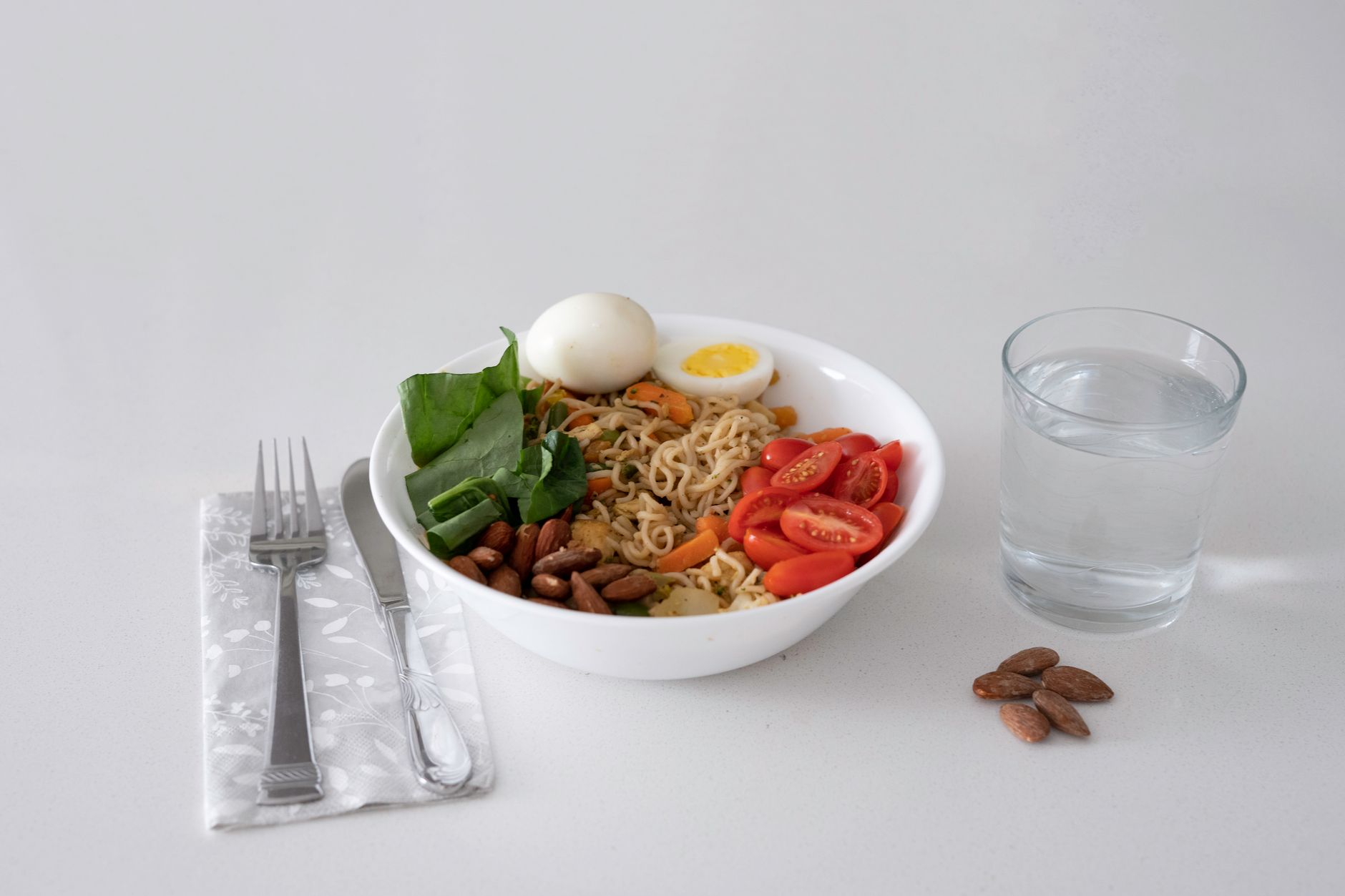
- 50% Fruits & Vegetables: Aim for a colorful variety.
- 25% Whole Grains: Opt for brown rice, quinoa, or whole-wheat options over refined white grains.
- 25% Lean Protein: Incorporate legumes, fish, poultry, or nuts.
2. Optimize Kitchen Logistics (Mayo Clinic Focus)
- Streamline your week by planning 2–3 days ahead.
- Pre-cook a large batch of whole grains and chop vegetables in advance to reduce prep time on busy evenings.
3. Prioritize Food Quality (Harvard Focus)
- Choose healthy plant oils like extra virgin olive oil or avocado oil over butter and trans fats.
- Swap sugary drinks and sodas for water, unsweetened tea, or black coffee.
4. Practice Mindful Eating (CDC Focus)
- Turn off screens during meal times and eat slowly to better tune into natural hunger and fullness cues.
Watch-outs
While the core principles are aligned, keep these nuanced disagreements in mind when tailoring your diet:
- The Dairy Debate: The CDC and Mayo Clinic recommend low-fat or fat-free dairy daily for calcium and vitamin D. Conversely, Harvard recommends capping dairy at 1–2 servings per day, noting that high dairy intake is not essential for optimal health and suggesting water as your primary beverage.
- The Potato Caveat: Standard CDC guidance includes potatoes in the starchy vegetable category. Harvard explicitly excludes potatoes and French fries from the vegetable section of its Healthy Eating Plate due to their high glycemic index and rapid effect on blood sugar.
- Managing Comfort Foods: The CDC advocates behavioral moderation (smaller portions of high-calorie foods on occasion), whereas Harvard emphasizes strict substitution (completely avoiding processed meats like bacon and cold cuts in favor of cleaner protein sources).
Recommendation Scores
| Strategy | Practicality | Evidence Level | Primary Focus |
|---|---|---|---|
| Visual Plate Balance (1/2 produce, 1/4 grain, 1/4 protein) | Very High | High | General Wellness & Weight Control |
| Batch Cooking & Prep (Mayo Clinic approach) | High | High | Convenience & Meal Consistency |
| Mindful & Screen-Free Eating (CDC approach) | High | Moderate | Behavioral Satiety & Overeating |
| Dairy Restriction to 1–2 Servings (Harvard approach) | Moderate | Moderate | Metabolic & Long-Term Health |
Editorial Take
As a senior nutritionist, I recommend synthesizing these three approaches into a personalized routine. Don't stress over perfection. Start this week by using the visual plate rule and preparing a few meal components in advance (Mayo Clinic's practical logistics). Focus on the quality of fats and carbs you purchase (Harvard's macronutrient focus), but allow yourself the behavioral grace to enjoy comfort foods mindfully on occasion rather than feeling restricted (CDC's behavioral approach).
This article is based on publicly available sources and search data, and has been synthesized and edited by AI.