Quick Snapshot
Improving your daily diet does not require a total lifestyle overhaul. Leading health institutions—including Harvard T.H. Chan School of Public Health, the U.S. Department of Agriculture (USDA), and the World Health Organization (WHO)—offer clear consensus on practical habits you can start this week: fill half your plate with produce, choose whole grains over refined carbohydrates, swap sugary drinks for water, and diversify your protein sources. However, key distinctions exist regarding dairy recommendations, potato classification, and total fat limits.
Expert Advice
To make immediate, high-impact improvements to your meals, follow these science-backed steps:
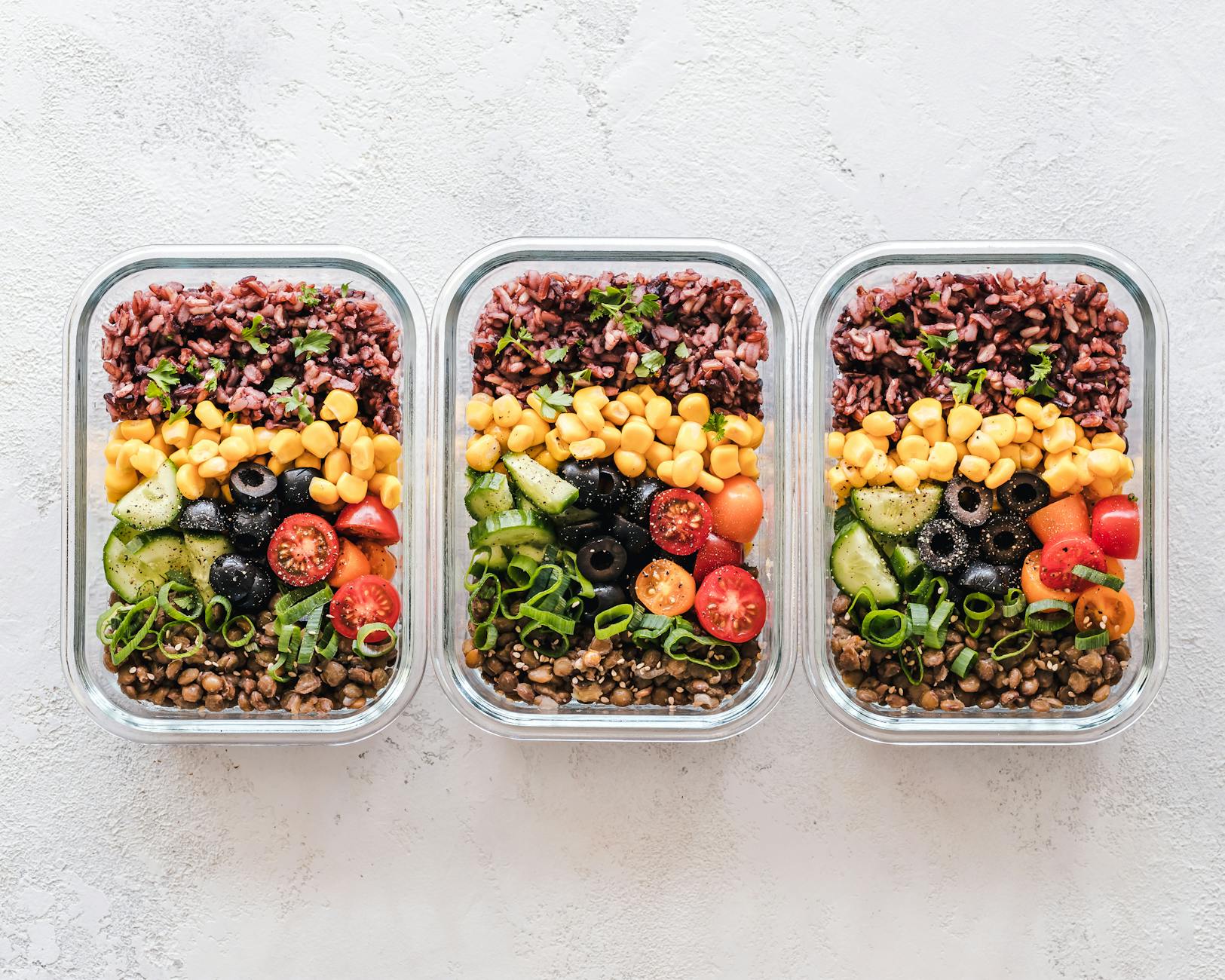
- Adopt the Visual Plate Rule: Structure your main meals so that 50% of the plate consists of vegetables and fruits, 25% whole grains (e.g., quinoa, brown rice, whole oats), and 25% healthy proteins (e.g., lentils, beans, fish, poultry, or tofu).
- Make a Beverage Swap: Replace sugar-sweetened sodas, juices, and energy drinks with water, sparkling water, or unsweetened tea and coffee.
- Prioritize Fiber and Whole Grains: Opt for unrefined grains to support digestive health, maintain steady blood glucose levels, and improve satiety.
- Practice Smart Label Reading: Scan packaged goods for hidden sodium and added sugars, choosing low-sodium and unsweetened options whenever possible.
Watch-outs
While public health agencies agree on overall balance, subtle discrepancies can cause confusion for consumers:
- The Potato Dilemma: USDA MyPlate counts potatoes and starchy tubers as vegetables. Conversely, Harvard’s Healthy Eating Plate explicitly excludes potatoes and french fries from the vegetable category due to their high glycemic index and rapid effect on blood sugar.
- Dairy Mandates vs. Options: USDA mandates a dedicated dairy serving (low-fat/fat-free milk, yogurt, or cheese) with every meal. Harvard limits dairy to 1–2 servings per day, prioritizing water and plant sources for calcium due to saturated fat and environmental concerns. WHO emphasizes overall nutrient balance without requiring a separate dairy group.
- Total Fat Limits vs. Fat Quality: The WHO recommends capping total dietary fat at ≤30% of daily intake to prevent unhealthy weight gain. Harvard rejects strict caps on total fat calories, encouraging higher consumption of healthy plant oils (like extra virgin olive oil) while strictly limiting saturated and trans fats.
Recommendation Scores
| Dietary Model | Practical Ease | Scientific Precision | Adaptability | Overall Score |
|---|---|---|---|---|
| Harvard Healthy Eating Plate | 4.5/5 | 5.0/5 | 4.5/5 | 4.7/5 |
| USDA MyPlate | 5.0/5 | 3.8/5 | 4.0/5 | 4.3/5 |
| WHO Healthy Diet Guidelines | 3.5/5 | 4.8/5 | 4.8/5 | 4.4/5 |
Editorial Take
As a senior nutritionist, I advise clients to use the accessibility of USDA's visual plate, but refine it using Harvard's nutritional specificity. Do not fear healthy fats—worrying about strict total fat caps (like the WHO's 30% threshold) often leads people to substitute fat with low-fat, high-sugar refined carbohydrates. Focus instead on fat quality by cooking with cold-pressed plant oils, nuts, and seeds. Treat white potatoes as a refined starch rather than a primary vegetable, and treat water as your essential beverage of choice.
This article is based on publicly available sources and search data, and has been synthesized and edited by AI.