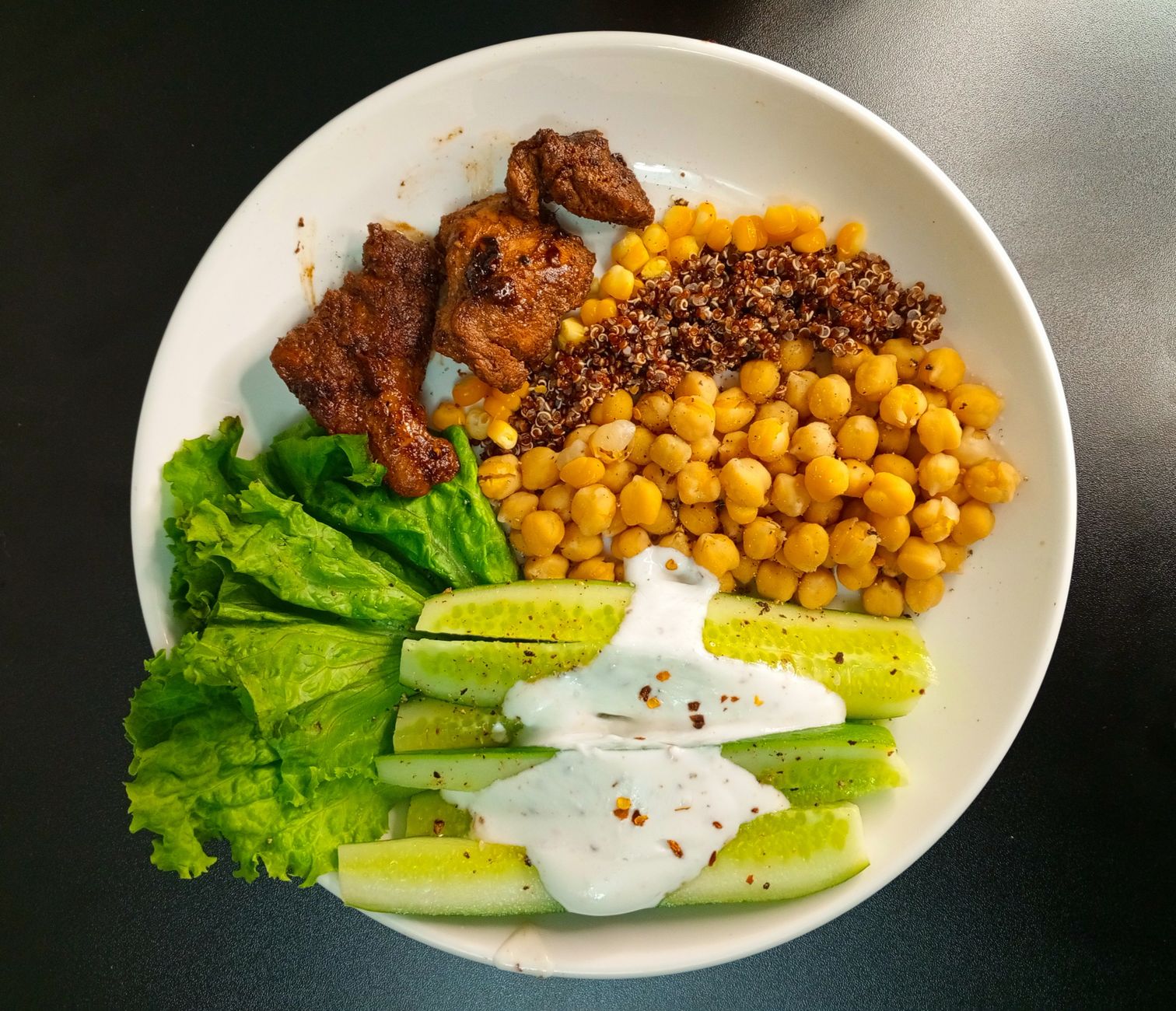
Quick Snapshot
Transforming your daily diet does not require rigid calorie tracking or hyper-specific meal plans. Major health organizations—including the Harvard T.H. Chan School of Public Health, the USDA, and the Mayo Clinic—agree on a straightforward, visual template for your main meals:
- ½ of your plate: Colorful vegetables and whole fruits
- ¼ of your plate: 100% whole grains (brown rice, quinoa, whole-wheat oats)
- ¼ of your plate: Quality protein sources (beans, lentils, fish, poultry, tofu, or nuts)
- Hydration: Make water, unsweetened tea, or black coffee your go-to beverage, avoiding sugar-sweetened drinks.
By prepping staple components like batch-cooked grains and pre-chopped vegetables early in the week, you can easily deploy this template every single day.
Expert Advice
While foundational principles are shared, synthesizing top guidance reveals critical nuances across major dietary frameworks:
1. Carbohydrates and the "Potato Distinction"
All frameworks prioritize whole grains over refined carbohydrates to preserve fiber and stabilize blood sugar. However, they diverge on starchy vegetables:
- Harvard Healthy Eating Plate explicitly excludes potatoes and French fries from the vegetable category due to their high glycemic impact and tendency to spike blood sugar.
- USDA MyPlate includes starchy vegetables like potatoes within the overall vegetable food group.
- Mayo Clinic emphasizes cooking methods—recommending roasting or steaming over frying—rather than excluding potatoes entirely.
2. Dietary Fats and Oils
- Harvard directly places healthy plant oils (such as extra-virgin olive oil and canola oil) on its visual plate, encouraging their use while advising limits on butter and trans fats.
- USDA treats fat as a secondary calorie ceiling, tracking saturated fat limits (<10% of total calories) rather than visually featuring healthy fats on the plate model.
3. The Dairy Debate
- USDA mandates a dedicated cup of dairy (low-fat milk, yogurt, or fortified soy) at every meal.
- Harvard restricts dairy to 1–2 servings daily, prioritizing water and plant-based hydration to reduce unnecessary saturated fat intake.
- Mayo Clinic offers flexibility, integrating low-fat dairy under broader protein and calcium options.
Watch-outs
- The Liquid Sugar Trap: Drinking fruit juice strips away beneficial dietary fiber, leading to rapid blood glucose spikes compared to eating whole fruit.
- Confusing High-Glycemic Starches for Fibrous Greens: Relying heavily on corn, potatoes, or refined starches leaves key micronutrient and fiber gaps in your diet.
- Hidden Saturated Fats: Mayo Clinic recommends keeping saturated fat intake below ~13 grams per day for a typical 2,000-calorie diet. Watch out for excess saturated fat in commercial salad dressings, processed meats, and high-fat dairy products.
Recommendation Scores
| Dietary Framework | Visual Clarity | Food Quality Focus | Practical Flexibility | Overall Score |
|---|---|---|---|---|
| Harvard Healthy Eating Plate | 5/5 | 5/5 | 4/5 | 4.7/5 |
| USDA MyPlate | 4/5 | 3/5 | 3/5 | 3.3/5 |
| Mayo Clinic Habit Model | 4/5 | 4/5 | 5/5 | 4.3/5 |
Editorial Take
As a senior nutritionist, my primary recommendation is to blend the nutritional precision of Harvard’s model with the behavioral practicalities advocated by Mayo Clinic.
1. Adopt Harvard’s Quality Standards: Prioritize unrefined whole grains, lean plant and animal proteins, and healthy plant oils (olive oil). Treat potatoes as starches rather than primary vegetables, and limit dairy to what fits comfortably within your personal health goals. 2. Apply Mayo Clinic’s Kitchen Systems: Don't try to revamp every meal at once. Assign themed days (e.g., "Grain Bowl Tuesdays" or "Meatless Mondays") and chop raw vegetables right after grocery shopping to eliminate friction during busy weeknights.
By focusing on ingredient quality over tedious calorie counting, you create a flexible, sustainable lifestyle that fits naturally into your routine.
This article is based on publicly available sources and search data, and has been synthesized and edited by AI.