Quick Snapshot
Planning an international trip requires balancing meticulous preparation with on-the-ground flexibility. Across top travel authorities like Nomadic Matt, Rick Steves, and Lonely Planet, consensus points to a few essential pillars: starting the planning process 6 to 12 months early, ensuring travel documents meet strict entry rules, packing light to remain mobile, and utilizing fee-free payment tools. However, each expert presents a distinct philosophy on how to structure your budget, itinerary, and luggage.
Expert Advice
When organizing international logistics, synthesizing different expert methodologies helps create a well-rounded travel strategy:
- Timeline & Documentation (6–12 Months Out): All major authorities agree that passport validity must extend at least six months past your scheduled return date. Lonely Planet emphasizes setting milestone-driven timelines—booking high-demand attractions or multi-country airline alliance passes early—while Rick Steves highlights checking electronic visas (such as ETIAS or ETAs) well in advance.
- Luggage Strategy: Rick Steves takes a strict stance on packing, advocating for a single carry-on bag restricted to 20 lbs (9" × 21" × 14") plus a small daypack to streamline transit and avoid lost baggage. Nomadic Matt also urges traveling light with carry-on backpacks, but focuses more on versatile apparel and saving on checked-bag fees for long-term budget trips.
- Financial Management: Nomadic Matt strongly favors point-redemption travel hacking, hostel stays, and fee-free credit cards to stretch funds for budget and solo travelers. Rick Steves encourages a middle-tier value approach, prioritizing central, mid-range family hotels and local transit passes over complex reward programs.
- Itinerary Flexibility: While Lonely Planet highlights exact booking windows for major sights and dining, Nomadic Matt advises cutting initial sightseeing lists by 50%. Rick Steves similarly advises balancing advance reservations for top museums with ample unstructured discovery time.
Watch-outs
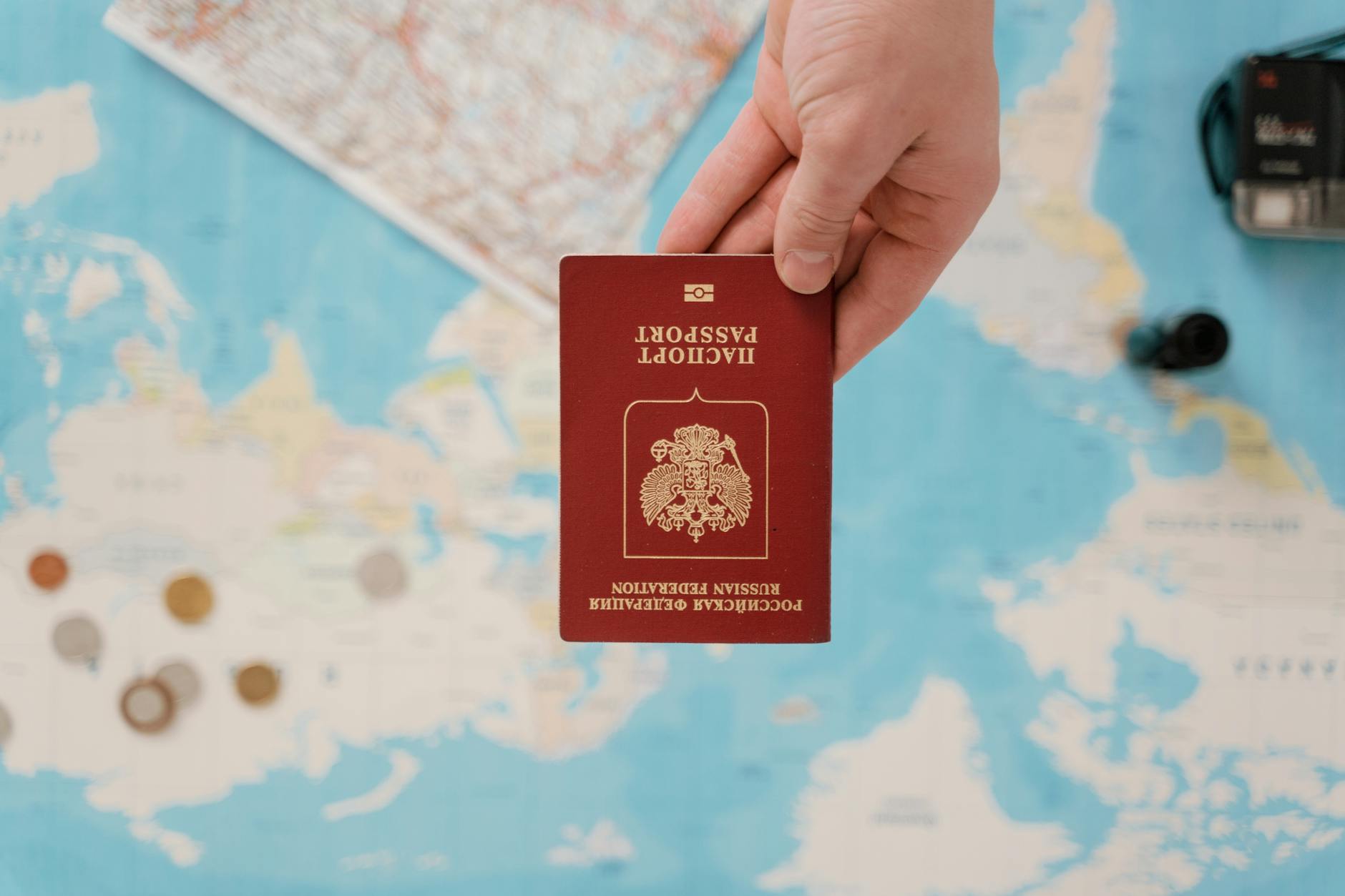
- The 6-Month Passport Traps: A passport that is valid today might still be rejected at customs if it expires within six months of your departure date. Check expiration dates immediately.
- Hidden Financial Fees: Using standard debit or credit cards overseas without checking transaction rules can result in 3% foreign transaction fees and steep foreign ATM charges.
- Over-Scheduling: Trying to lock down every hour of every day leads to burnout and leaves zero room for local recommendations or unexpected flight delays.
- Ignoring Entry Permits: Electronic travel authorizations (like ETIAS for Europe or NZeTA for New Zealand) are often required before boarding, even for tourist visa-exempt travelers.
Recommendation Scores
| Travel Philosophy | Ideal Traveler | Budget Efficiency | Flexibility | Structure & Security |
|---|---|---|---|---|
| Nomadic Matt Strategy | Backpackers, solo travelers, reward-point chasers | 5/5 | 5/5 | 3/5 |
| Rick Steves Strategy | Cultural sightseers, European travelers, middle-tier tourists | 4/5 | 4/5 | 5/5 |
| Lonely Planet Strategy | Families, multi-country/round-the-world tourists | 3/5 | 3/5 | 4/5 |
Editorial Take
In my experience as a traveler, the ideal international strategy fuses the best elements of these three approaches. Adopt Rick Steves' disciplined 20 lb packing limit—it completely transforms how effortlessly you move through airports and train stations. Pair that with Nomadic Matt's financial playbook by securing a credit card with no foreign transaction fees and leveraging point redemptions. Finally, follow Lonely Planet's timeline method for major, non-negotiable sights, but resist the urge to book every afternoon. Leaving 30% to 50% of your days open is where real travel magic happens.
This article is based on publicly available sources and search data, and has been synthesized and edited by AI.