Quick Snapshot
Navigating dietary advice can feel overwhelming, but major health organizations actually agree on the essentials. A synthesis of guidelines from the USDA (MyPlate), Harvard T.H. Chan School of Public Health, and the World Health Organization (WHO) reveals a unified message for actionable, everyday nutrition:
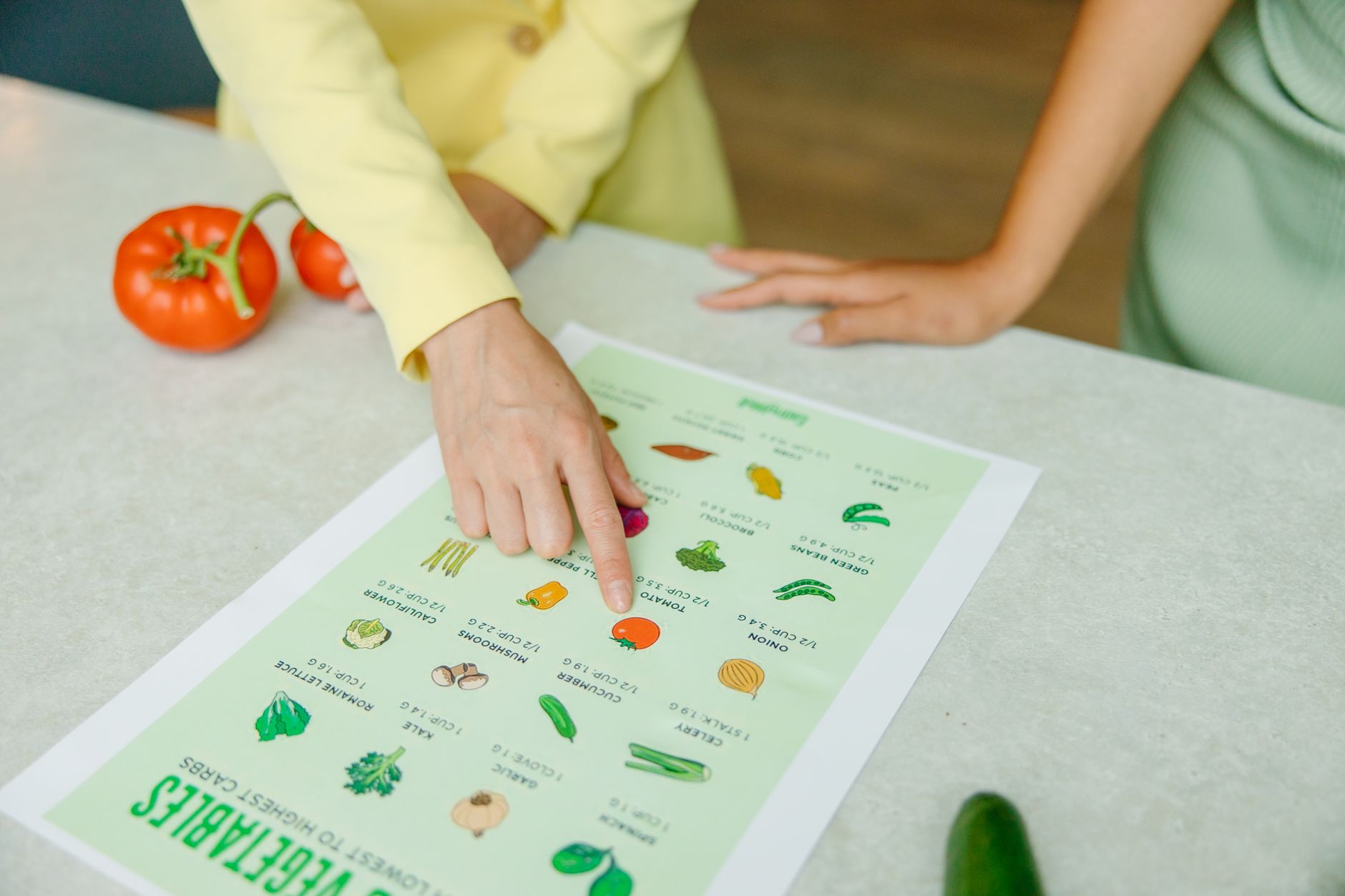
- Prioritize Produce: Fill at least half your plate with colorful fruits and vegetables (aiming for at least 400g or 5 portions daily).
- Upgrade Your Grains: Swap refined white carbohydrates for high-fiber whole grains like quinoa, brown rice, and oats.
- Diversify Protein: Integrate plant-based sources (beans, lentils, nuts) alongside lean meats and fish.
- Cut Liquid Sugar: Replace sodas and sweetened drinks with pure water or unsweetened tea.
---
Expert Advice
To make these global standards practical for your busy week, follow three simple daily habits:
1. Adopt the 50/25/25 Plate Rule: At lunch and dinner, allocate 50% of your plate to non-starchy vegetables and fruits, 25% to whole grains, and 25% to healthy protein sources. 2. Optimize Cooking Fats: Use liquid plant oils like extra virgin olive oil or canola oil for cooking instead of solid animal fats or butter. 3. Hydrate Consciously: Make water your baseline beverage to eliminate hidden sugar intake and keep energy levels stable throughout the day.
---
Watch-outs
While major guidelines share a common foundation, subtle nuances between models can impact your health goals:
- The Potato Dilemma: USDA MyPlate classifies white potatoes as vegetables. However, Harvard explicitly excludes potatoes and fries due to their rapid glycemic impact on blood sugar. Treat starchy tubers as carb sources rather than non-starchy veggies.
- Dairy Recommendations: USDA mandates daily low-fat dairy, whereas Harvard recommends limiting dairy to 1–2 servings daily, prioritizing water, tea, or coffee instead.
- Fat Management: WHO caps total fat intake strictly under 30% of total calories, while Harvard focuses on fat quality over quantity, promoting healthy plant oils without arbitrary limits.
---
Recommendation Scores
| Dietary Framework | Simplicity | Nutritional Nuance | Daily Flexibility | Overall Score |
|---|---|---|---|---|
| Harvard Healthy Eating Plate | 9/10 | 10/10 | 9/10 | 9.3/10 |
| USDA MyPlate | 10/10 | 7/10 | 8/10 | 8.3/10 |
| WHO Dietary Guidelines | 6/10 | 9/10 | 7/10 | 7.3/10 |
---
Editorial Take
As a senior nutritionist, my practical recommendation for everyday eaters is to blend Harvard's nutritional quality focus with MyPlate's visual ease. While USDA's visual plate is incredibly user-friendly for meal prep, it falls short by counting processed potatoes as regular vegetables and neglecting explicit guidance on healthy fats.
By prioritizing whole, unprocessed foods, incorporating heart-healthy olive oil, and recognizing that tubers act like refined carbs in the bloodstream, you can easily build sustainable, nutrient-dense meals without tedious calorie counting.
This article is based on publicly available sources and search data, and has been synthesized and edited by AI.